A Setback for Spring Chinook Salmon: What Happened and What Comes Next
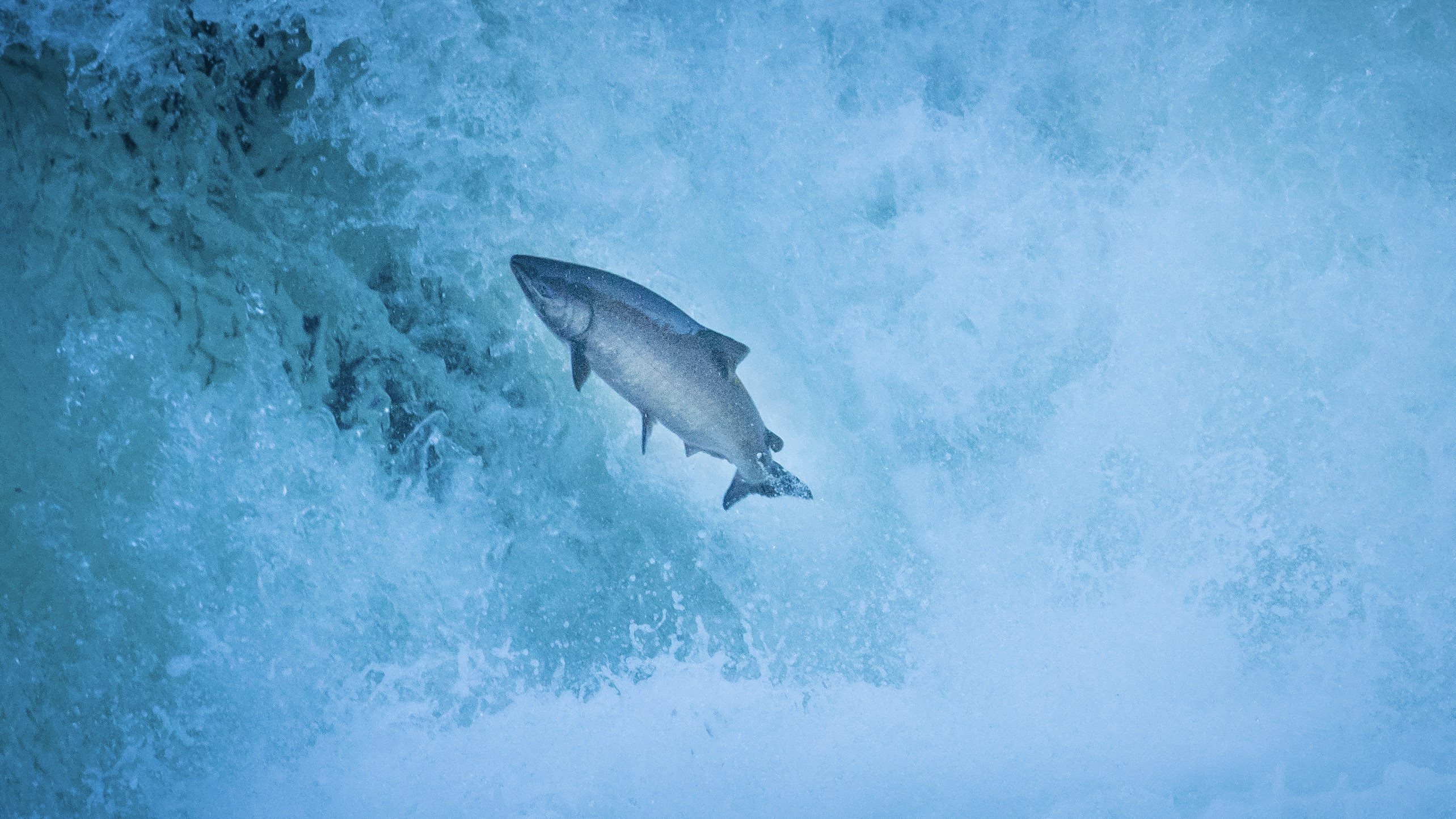 Spring Chinook on the North Umpqua River | Photo Credit: Jason Hartwick
On December 8th, the federal government—specifically, the National Marine Fisheries Service—made a deeply disappointing decision. It denied Endangered Species Act protections for Oregon Coast and Southern Oregon/Northern California Coast Chinook salmon.
We believe this decision ignores the best available science and misses a critical opportunity to put these iconic fish —in particular spring Chinook salmon—on a path to recovery.
Be assured that Native Fish Society and our partners will use every resource at our disposal to challenge this misguided decision by the National Marine Fisheries Service.
What This Decision Means for the Fish
Chinook salmon, or “king salmon,” are the giants of the Pacific. Once, hundreds of thousands returned to Oregon’s coastal rivers. Today, their numbers are a fraction of what they were. Spring-run Chinook are a special, early-returning type that comes back in spring and waits in cool, deep pools to spawn in the fall.
These spring-run fish are genetically unique and ecologically vital. They use colder, higher-up habitats, making the entire population more resilient to climate change and other threats. Sadly, they’ve vanished from many rivers due to unsustainable logging, overfishing, dams and barriers, water withdrawals, and harmful hatchery practices.
The federal government currently regards Oregon’s Coastal spring-run and more numerous fall-run Chinook as if they are the same. This new decision continues that flawed approach, dismissing the clear science showing springers are distinct and in trouble. For example, only about 131 wild spring Chinook returned to the South Umpqua River last year. Denying protection leaves these precious, dwindling runs at greater risk.
Why the Endangered Species Act Matters
The evidence for the Act’s power is right here in Oregon. It has prevented extinctions and fueled the remarkable comeback of coastal Coho salmon in many of the same rivers where Chinook now struggle. ESA listing for these Chinook would have brought focused resources, stronger habitat safeguards, and greater leverage in international fishery negotiations (the Pacific Salmon Treaty) to ensure more Oregon-born fish can return home to spawn.
Our Path Forward: Turning Disappointment into Action
While this federal decision is a setback, our work is not over. The state of Oregon now has a crucial role to play in filling this conservation gap.
The good news is that Oregon knows what needs to be done:
Protect Wild Fish: The state can ensure that 90% or more of the spawning fish in our rivers are wild, not hatchery-born, which is key for long-term health.
Manage Fisheries Wisely: For instance, fisheries can be focused on rivers like the North Umpqua, where numbers are higher, to protect fragile runs like the South Umpqua’s 131 springers. Sustainable fisheries management requires robust and consistent monitoring of fish populations.
Restore Habitat: Increase investment in restoring the cold, clean, complex rivers these fish need to survive.
We are encouraged that new leadership at the Oregon Department of Fish and Wildlife provides an opportunity for our state to demonstrate that we value science and will step up for these fish. Native Fish Society and our cohort of NGO partners will be vigilant, working alongside them and tribal partners to push for these necessary actions.
How You Can Help
Our community’s support is vital. Here’s how you can stay involved:
Stay Informed: Follow our Coastal Chinook campaign page and social media for updates.
Voice Your Support: Contact your state representatives and the Governor’s office. Tell them you support strong, science-based state action to protect Oregon’s wild spring Chinook salmon.
Get Involved Locally: Volunteer for a local watershed council or habitat restoration project. Healthy rivers help all fish.
Spread the Word: Share this information. The more people who understand the plight of spring Chinook, the stronger our collective voice.
As Stan Petrowski, a dedicated River Steward for the South Umpqua, said:
“We will continue to push for protections for springers to ensure we don’t lose these fish on our watch.”
Thank you for standing with us. Together, we will continue to advocate fiercely for the wild fish and the habitats that sustain us all. The fight for our spring Chinook is now here at home in Oregon, and with your help, we will meet the challenge.
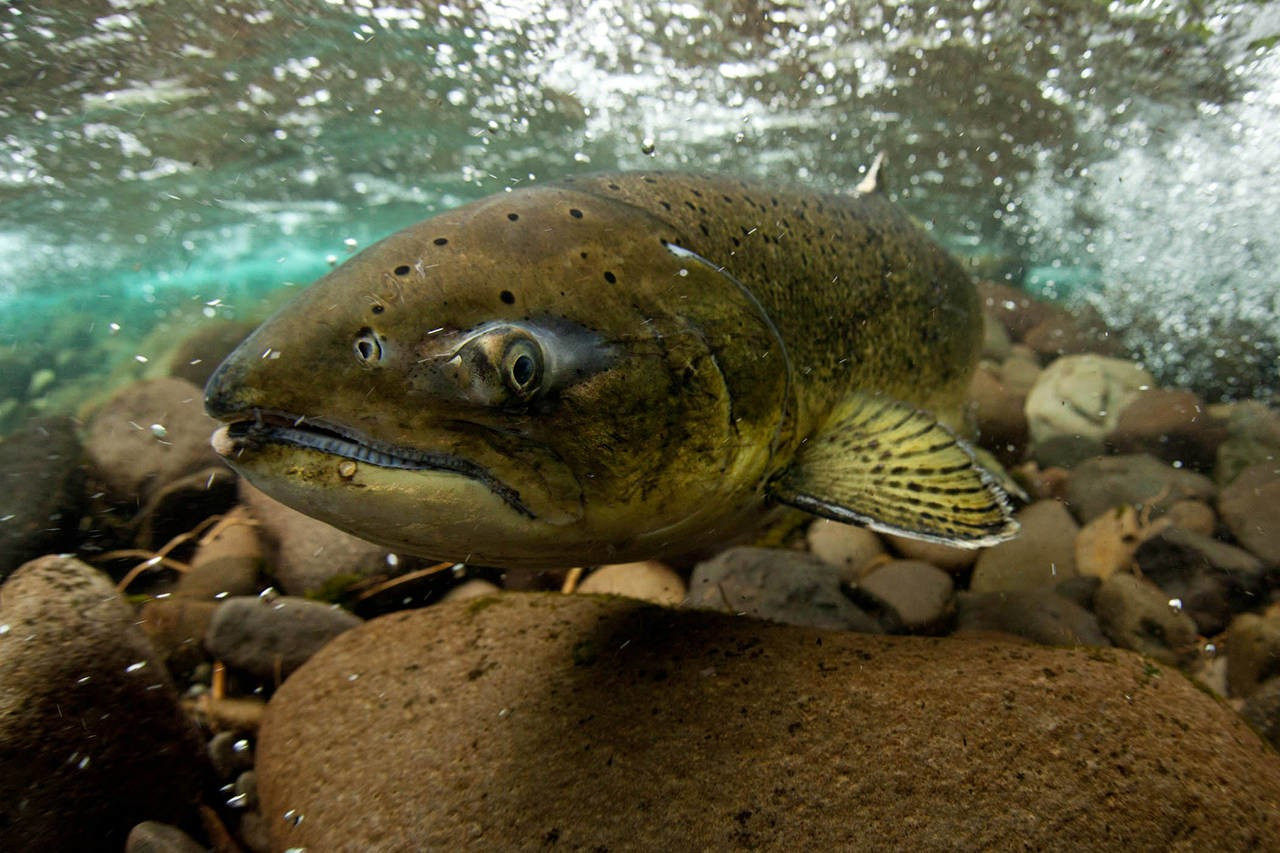
McKenzie River Spring Chinook Salmon. Photo Credit: David Herasimtschuk, Freshwaters Illustrated
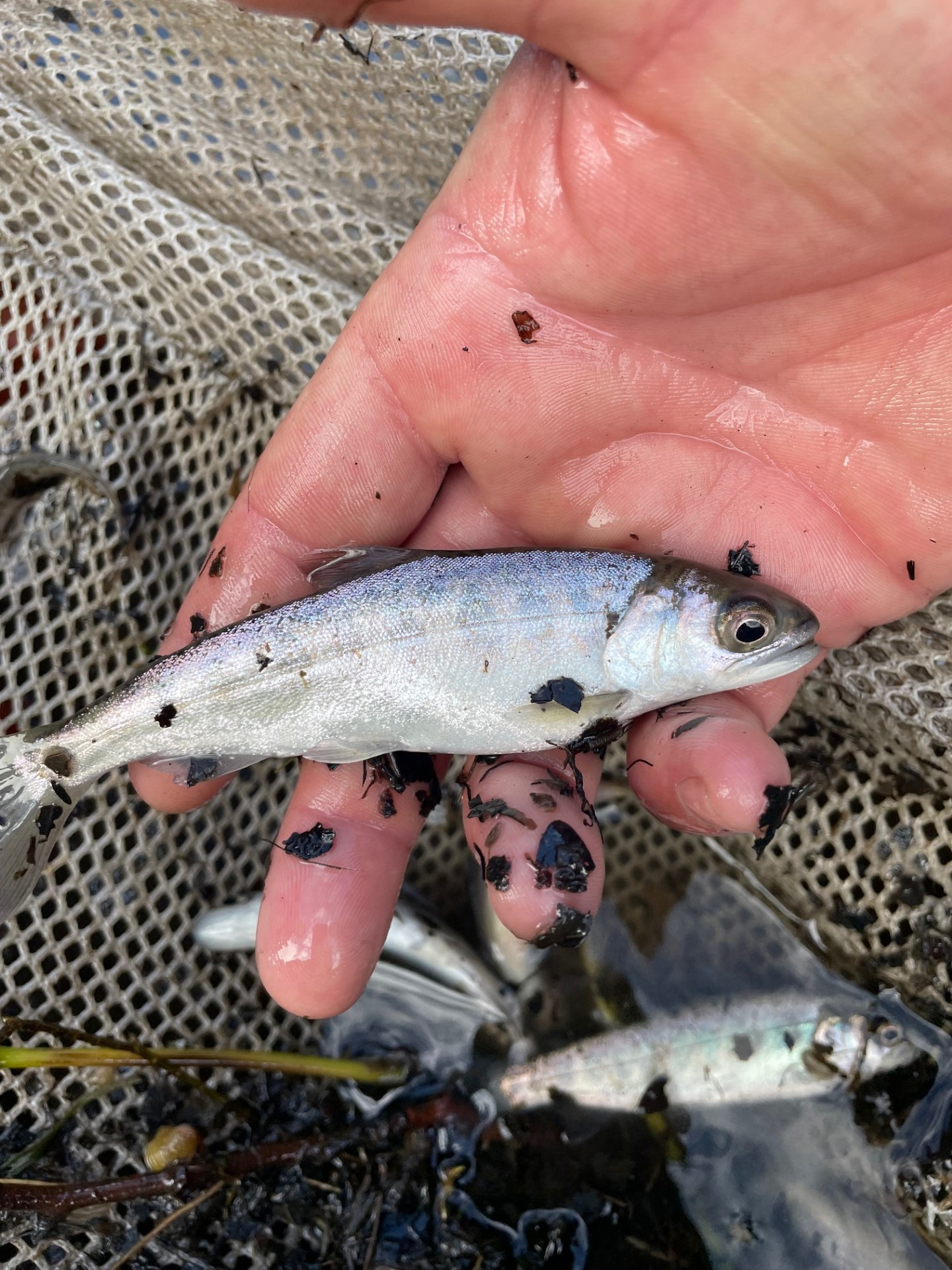
Healthy wild Chinook smolt capture from Klamath River near confluence with Scott River | Courtesy of Klamath Tribe Fisheries
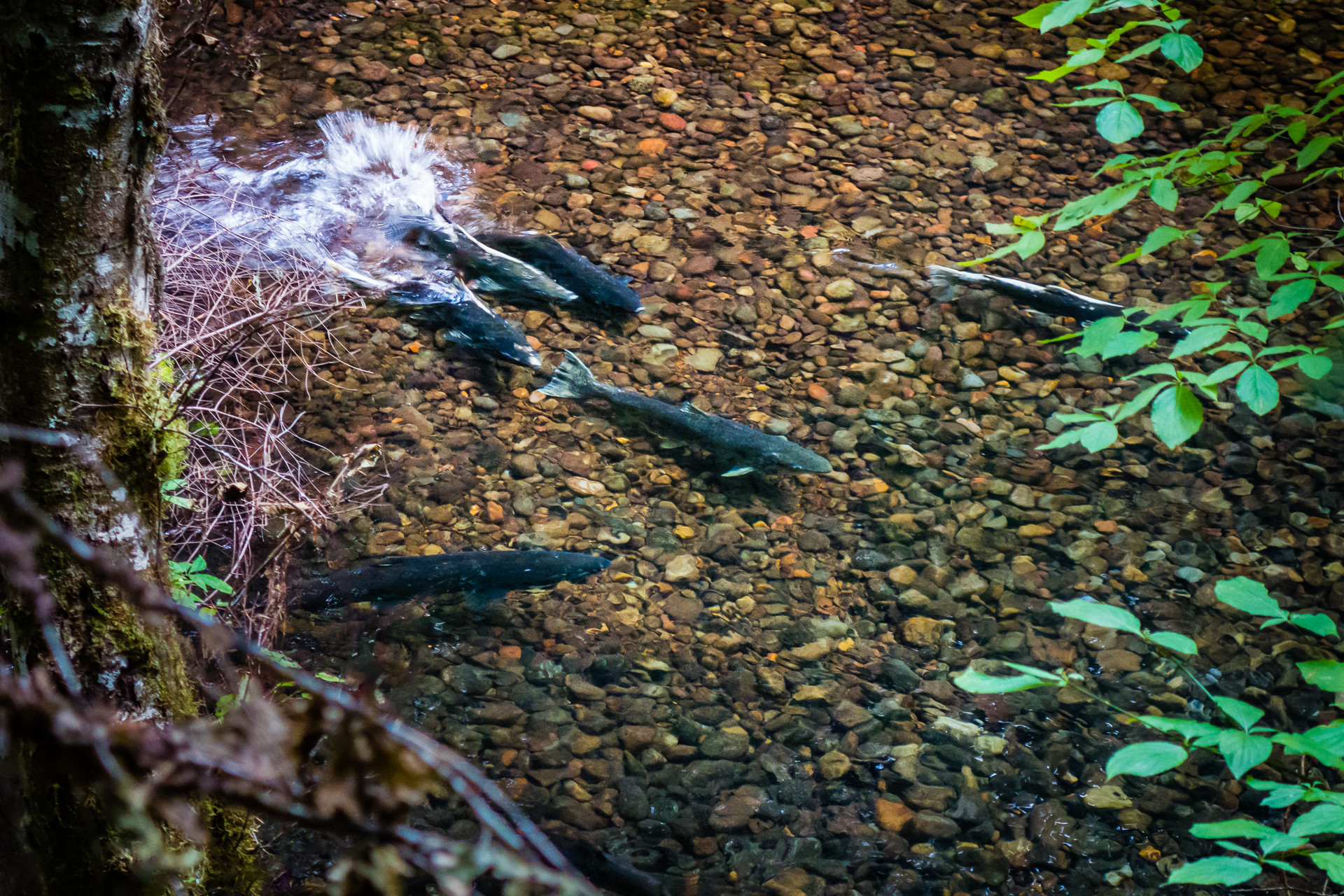
Spring Chinook spawning in the McKenzie River
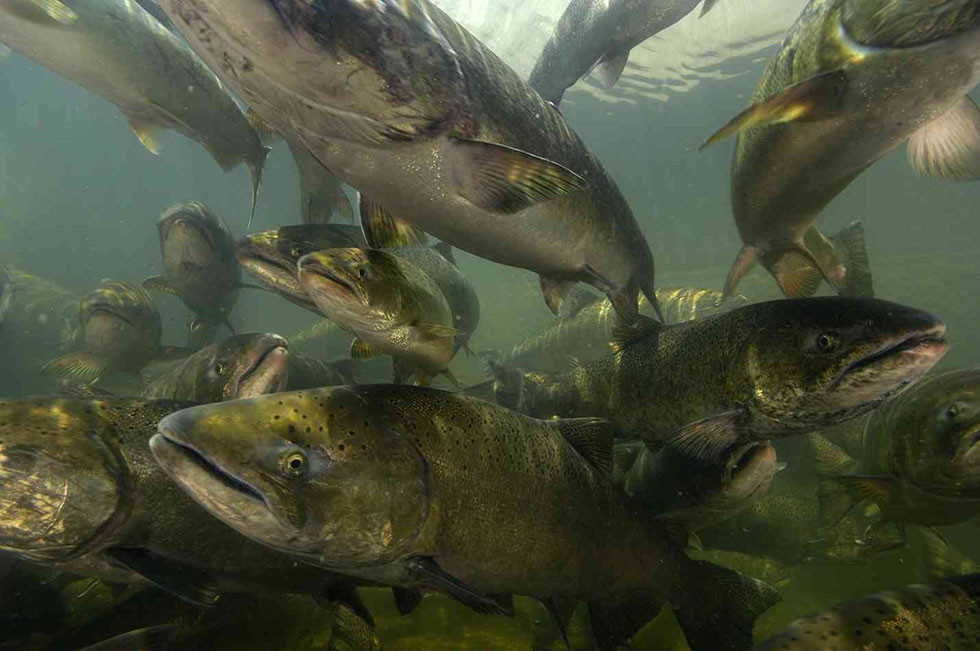
Oregon Coast spring Chinook | Photo Credit: ODFW
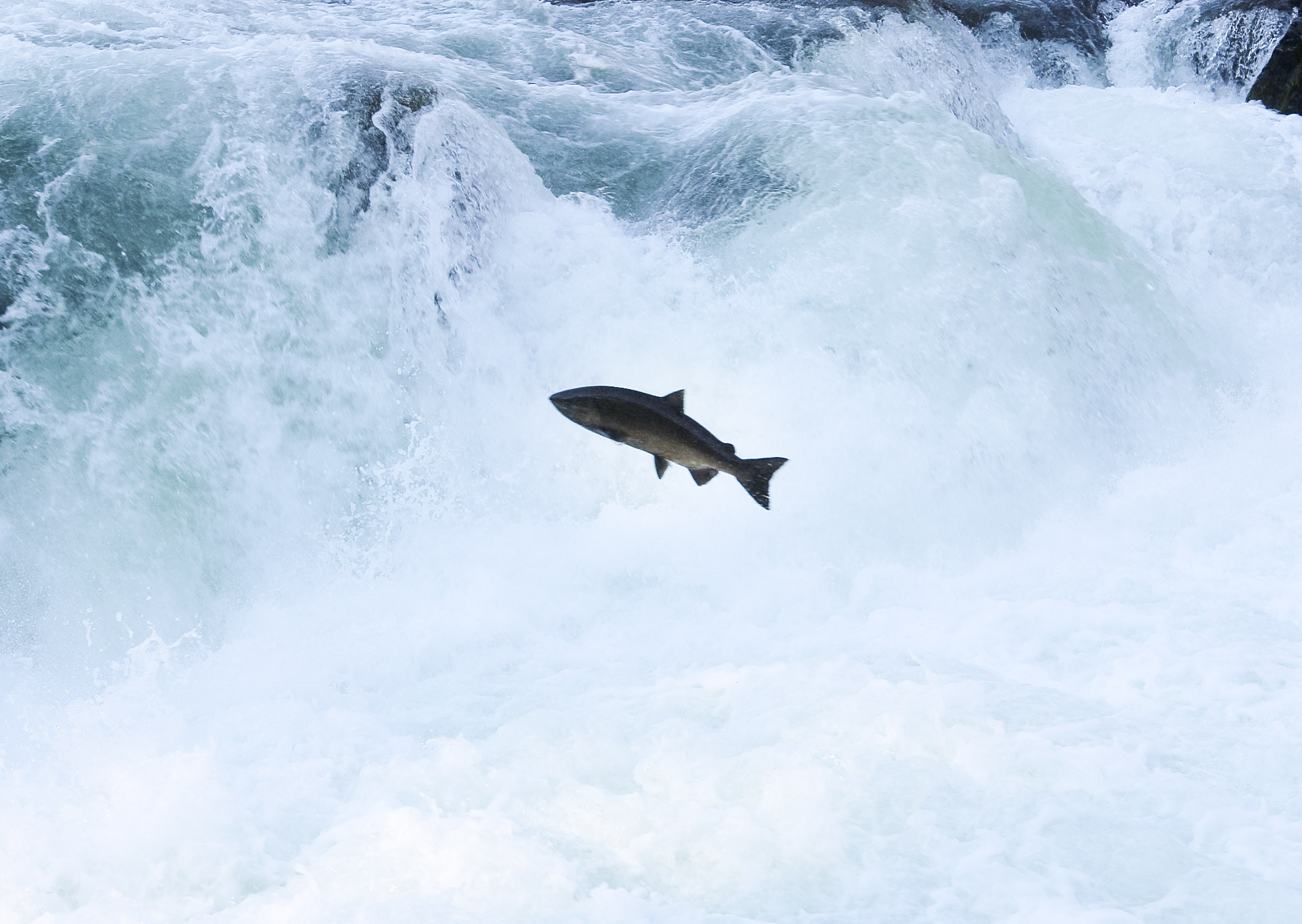
North Umpqua spring Chinook | Photo Credit: Kirk Blaine
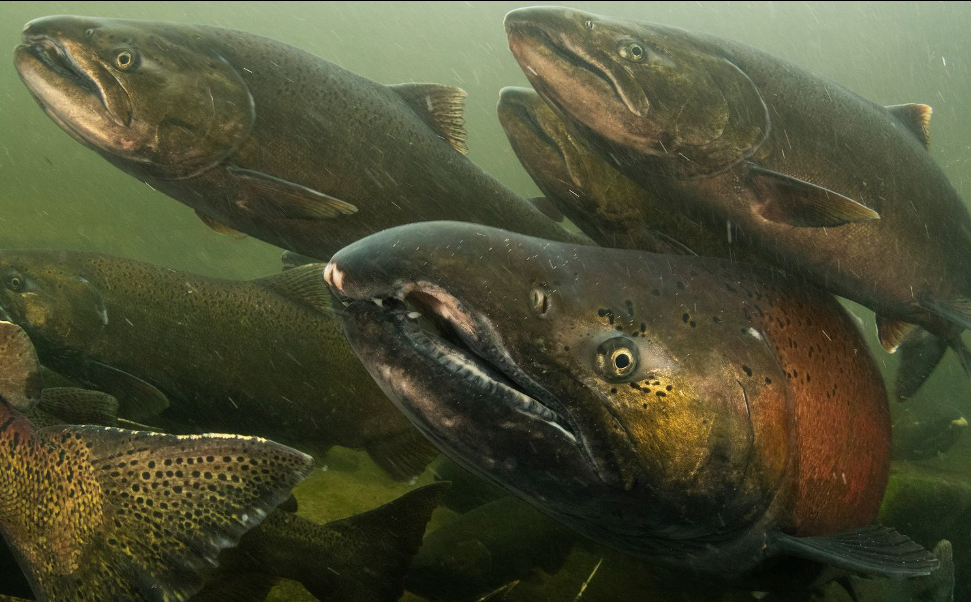
Oregon Chinook | Photo Credit: David Herasimtschuk / Freshwaters Illustrated