StEELhead Discoveries Series - Part 22: November 2025 - ACTION ALERT
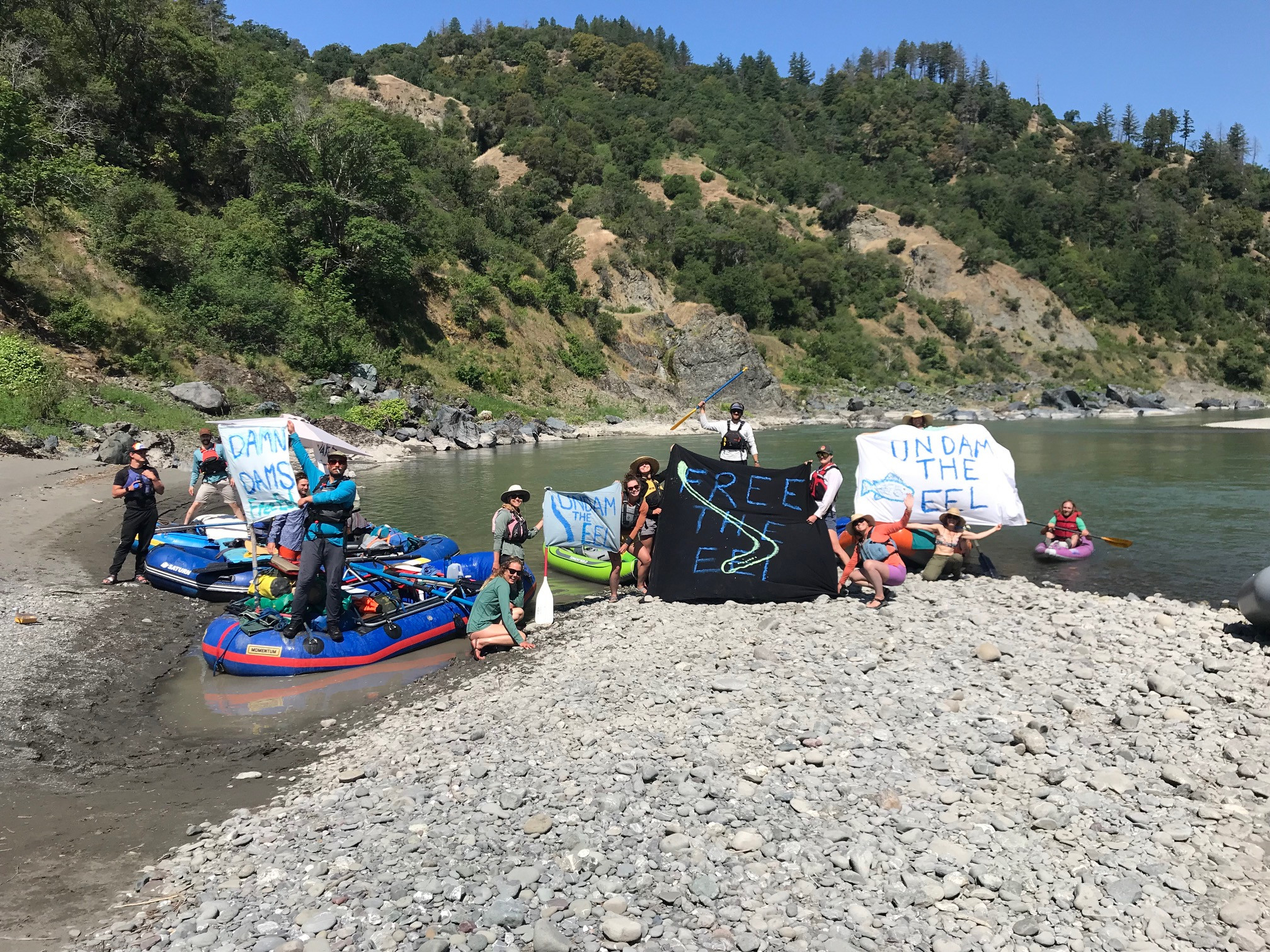 Samantha and company on their annual Free The Eel float trip
*This is Part 22 of an ongoing series on the campaign to Free the Eel and efforts to better understand and revive the iconic steelhead in the Pacific Northwest by Native Fish Society Fellow Samantha Kannry. View all parts of this series HERE. Additional parts and updates will be posted over the next several months. Stay tuned!
~ ~ ~ ~ ~ ~
This month’s steelhead discovery is not a story, but rather a hope for a future discovery in a free-flowing Eel River.
PG&E submitted their final License Surrender Agreement to Federal Energy Regulatory Commission (FERC) for the decommissioning of the two Eel River dams (Scott and Cape Horn) in late July 2025. FERC is the government agency that manages hydropower production and has the final say in whether dams under their jurisdiction will be removed or maintained.
The month of November is the 30-day public comment period on the final License Surrender Agreement.
There have been a few other public comment periods throughout the Eel FERC process to date, but the current one carries the most weight. It is the primary opportunity for the public to communicate directly to FERC about how the dam project affects them. The ease, speed, and likelihood of these dams being removed depends on whether FERC decides it is in the broadest public interest. The more people who write unique comments to FERC expressing their belief that dam removal serves the public interest, the more likely dam removal on the Eel will become a reality.
A few examples of topics you can focus on are:
Economically unviable hydropower projects are not in the public interest
The stellar and ample habitat that will be made accessible to anadromous salmon, steelhead and lamprey following dam removal
Benefits to tribes, fishermen and recreators of intact fisheries and free-flowing rivers
Maintaining an un-safe dam on a known fault is not in the public interest
Economic benefits of rebuilding a commercial fishing industry, and securing water for southern water-users that is not dependent on defunct facilities.
PG&E wants to remove these dams due to their liability issues and lack of revenue production. Most stakeholders in the Eel River and many in the Russian River are currently in favor of dam removal. This is in part due to the compromises that have been laid out to allow for a continued run-of-the-river diversion. The diversion will sustain water-users on the Russian River side who have developed dependence on Eel River water.
The main opponents to dam removal are individuals and organizations who will suffer the changes that accompany dam removal, and/or are misinformed about the severity of those changes. It is important to acknowledge that those concerns are real and valid. We also see, however, that these dams cannot be maintained in their current state, and a free-flowing Eel River will restore and relieve many creatures and vital ecosystem functions.
Please assist us in achieving the goal of a free-flowing Eel by submitting your comments to FERC by November 30th.
*NOTE: To submit via eComment, search for docket number (P-77-332) and select the blue + symbol
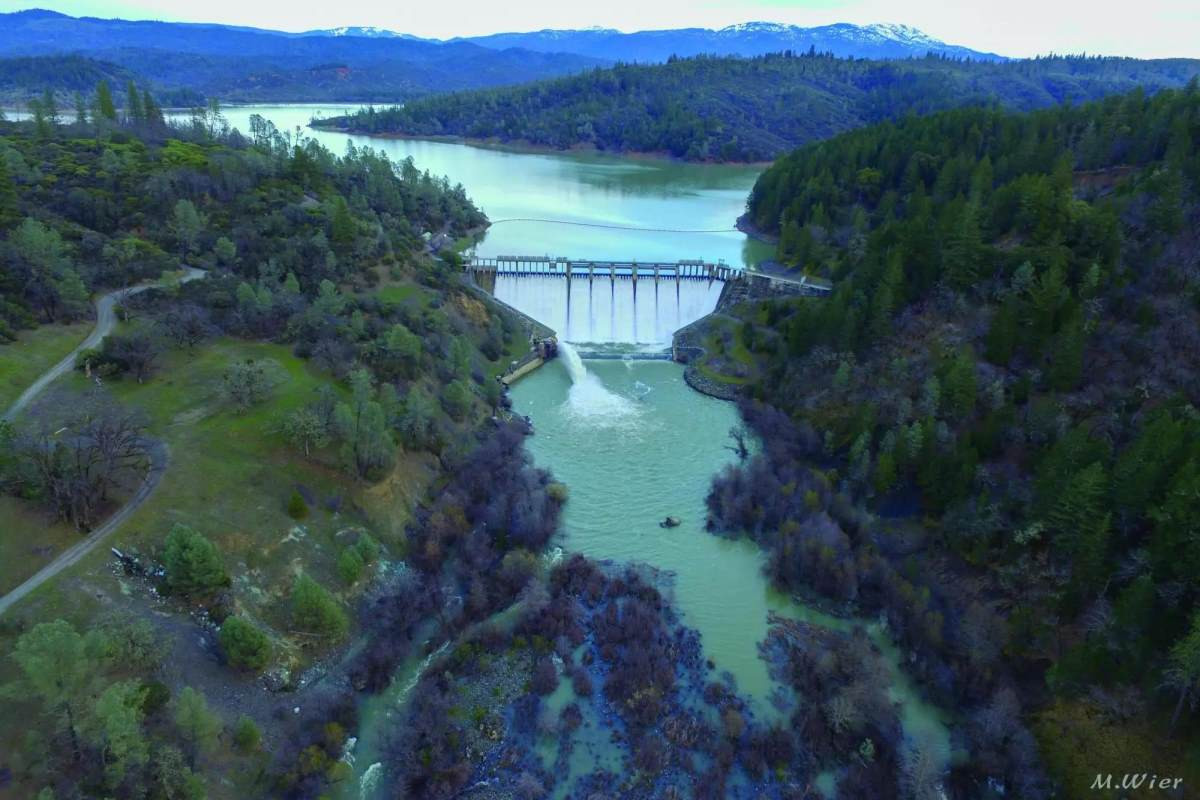
Scott Dam | Photo: Mikey Weir
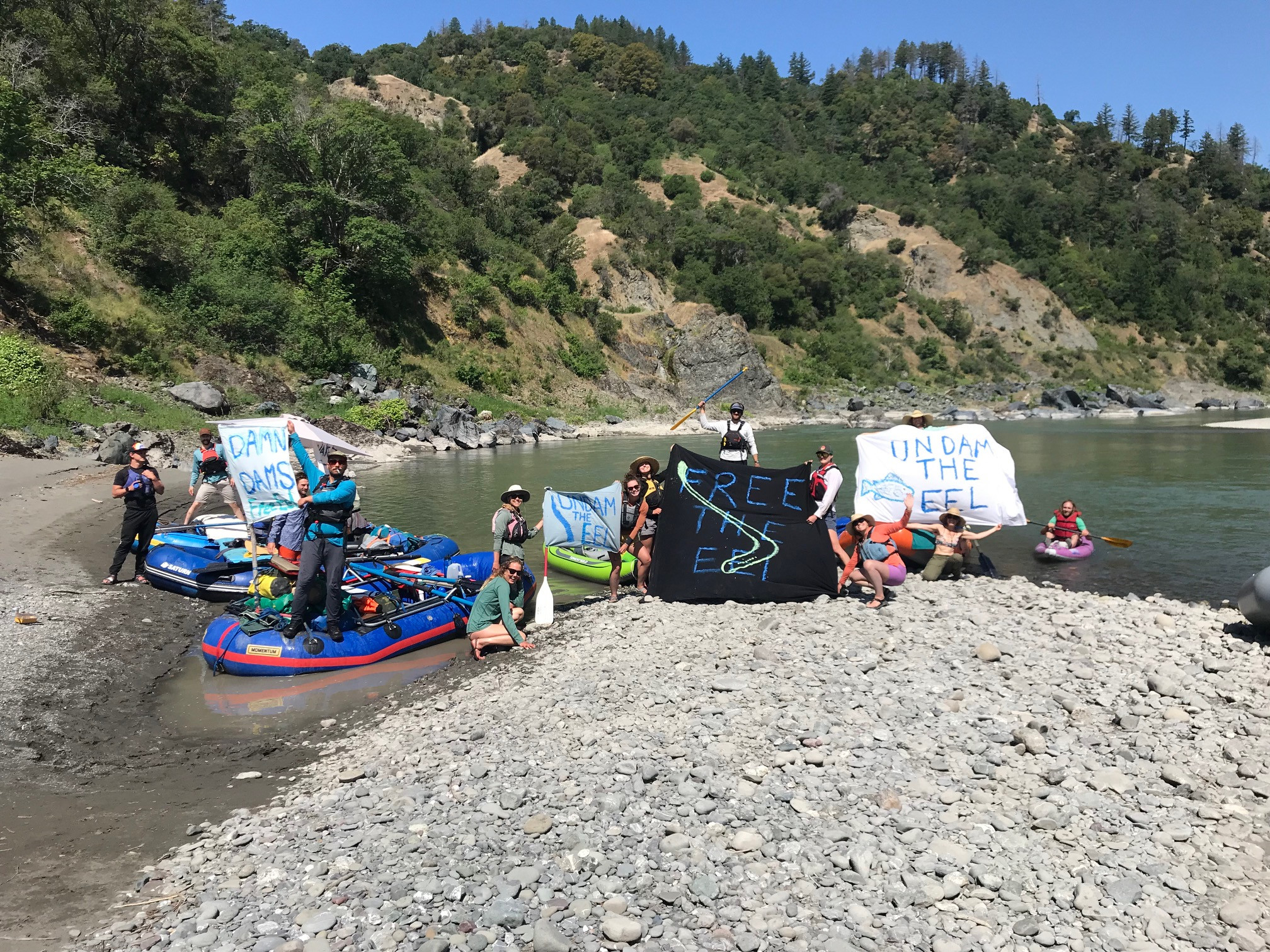
Samantha and company on their annual Free The Eel float trip
Help Undam the Eel River! Learn more about how to take action here:
Source: Free the Eel coalition
The Federal Energy Regulatory Commission (FERC) has opened a comment period for PG&E’s License Surrender Application (LSA). This is an important step in the process of removing the Eel River dams and restoring the Eel River.
Now you have the opportunity to make your voice heard. The public comment period is a rare opportunity for the public to speak directly to FERC staff about Eel River dam removal by submitting comments.
FERC needs to hear from all of us – from you – why we care about a restored Eel River, our concerns, and above all, the need for dam removal to happen as soon as possible. Draft a letter to FERC to tell them why removing the Eel River dams is important to you. Consider including the following points in your comment letter:
PG&E is removing the Eel River dams because they no longer generate electricity and have been uneconomical for several years.
Removing these dams is in the public interest and is the best outcome for Eel River communities and PG&E ratepayers.
The dams need to be removed as soon as possible to reduce costs to PG&E ratepayers, mitigate safety and maintenance issues, and restore the Eel River ecosystem.
The removal of these dams is critical for the recovery of salmon runs in the Eel River. A healthy Eel River fishery is important for Tribal, commercial, and recreational anglers.
The non-project use portion of the application is broadly supported by local water managers as a compromise that resolves longstanding regional tensions over water.
If you have particular expertise or interest in a specific area, you may be able to provide comments that FERC won’t get elsewhere. The more specific, factual material in the record, the better. Issues that you may wish to consider include:
Environmental benefits of dam removal, including habitat and water quality effects.
Tribal treaty rights and cultural resources.
Downstream community and recreational benefits.
Instructions for filing comments with FERC
1. Navigate to FERC Online and follow on screen instructions.
2. Check your email for your eComment link.
3. Draft your comments in a Word or text file, so you can copy and paste them into the text box on FERC Online.
4. Search for docket number (P-77-332) and select the blue + symbol
5. Enter your comments in the text box, and select “Send Comment”.
Snail mail comments:
Debbie-Anne A. Reese, Secretary Federal Energy Regulatory Commission 888 First Street NE, Room 1A Washington DC, 20426
~~~~~
About the Author:
Samantha Kannry has been monitoring, studying, and swimming with summer-run steelhead in the Eel River and other rivers of Northwestern California for the past thirteen years. She joined NFS as a volunteer in 2015, then became a fish genetics fellow in 2020.
While it has been clear to the native peoples of the region since time immemorial that summer-run steelhead and the congeneric spring Chinook are separate populations, not everyone else sees it so clearly. Her research has focused on using conservation genetic tools to elucidate the distinction between summer and winter-run steelhead.
When not minking (a combination of hiking, swimming, snorkeling, sliding, shimmying, and boulder jumping) down rivers, she is usually growing and eating fruit, moving manure at Caudal Fin Farm, or bike touring distances large and small. All working towards re-establishing the inherent continuity between rivers, land, and people.
Read StEELhead Discoveries Part 1 - 21 HERE.