StEELhead Discoveries Series - Part 23: January 2026
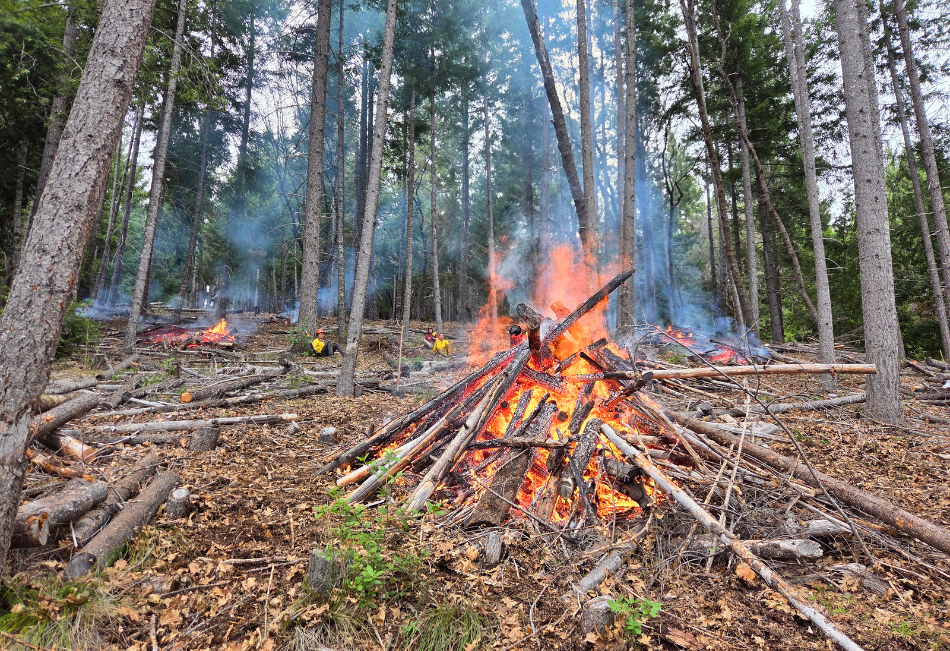 NFS Fellow Samantha Kannry clearing dense undergrowth with burn piles to reduce sedimentation and increase cold water inputs | Photo Credit: Ryan Thompson
*This is Part 23 of an ongoing series on the campaign to Free the Eel and efforts to better understand and revive the iconic steelhead in the Pacific Northwest by Native Fish Society Fellow Samantha Kannry. View all parts of this series HERE. Additional parts and updates will be posted monthly. Stay tuned!
~ ~ ~ ~ ~ ~
"The month of December found us back to a couple of our usual winter activities - lab work and burning piles. The lab work was relatively smooth, as we are now substantially more familiar with the process and aware of how to identify issues. We even decided we had come far enough in our understanding of the lab methods that we could attempt a new protocol.
The new protocol is an additional pre-step to our longer subset-of-the-genome sequencing preparation protocol. The new protocol was designed as an efficient method to look at a few additional spots in the genome that our previous subset does not include. The other common option people use is Whole Genome Sequencing (literally getting data on the whole genome as opposed to the subset we are looking at), but it is more expensive and far more data than we need for our current questions.
Our current questions regarding half-pounder steelhead are looking at run-timing, natal river fidelity, and relationship to upstream resident trout. The additional lab step we are doing will help us answer those questions. Also helpful will be the continued collection of half-pounder tissue samples throughout their freshwater residence period and throughout their range.
Burning piles in the headwaters of the summer steelhead bearing South Fork Van Duzen (tributary to the Eel River) went smoothly as well. Over 2.5 days, we cleared around 2 acres of 2-10” wide Doug Fir logs and other dense undergrowth. We burned from dawn until well into the night, admiring the glow of numerous small fires, the sparkling and crackling they produce, the warmth they provide, and the near-limitless quantity of coals for cooking stews. The 40-acre parcel we are helping tend still has many dense patches with years of pile burning to come. Every acre that is thinned and burned helps the land to support more consistent stream flows and a healthier fire regime.
The summer-run steelhead in the Van Duzen River are one of two extant populations in the Eel River (the other is in the Middle Fork Eel). Most of the neighboring summer-run populations in the region experienced significantly higher than average counts this year. The Van Duzen River, however, did not. The total population estimate for 2025 was 61 individuals, well below the ten-year average of 110, and evidence of a dire situation.
We need to do everything we can to increase cold water inputs in their over-summering habitat, and reduce sedimentation and the resulting pool deposition. Thinning and burning is one thing private landowners can do to aid in this process. Non-landowners can volunteer with their local Prescribed Burn Association to increase burning capacity on private and public lands. Hominids have been working with fire since the beginning, and few things feel more intrinsic to being human than gathering wood and watching it burn."
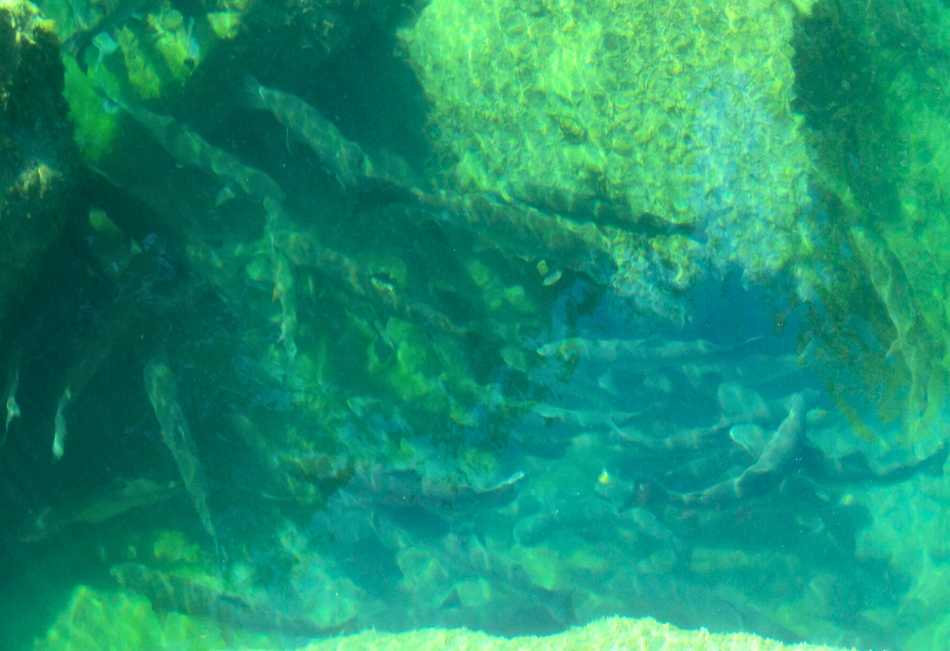
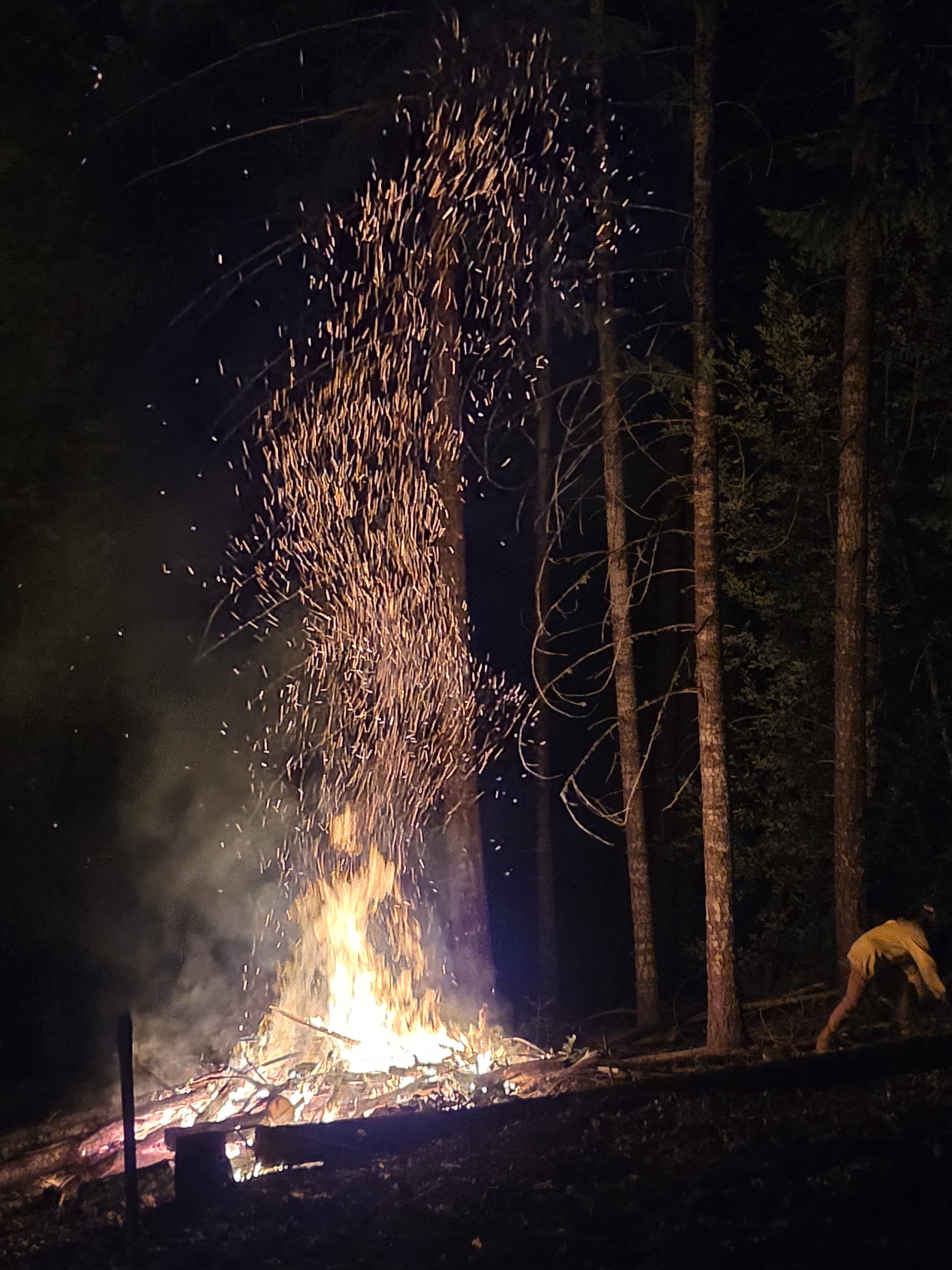
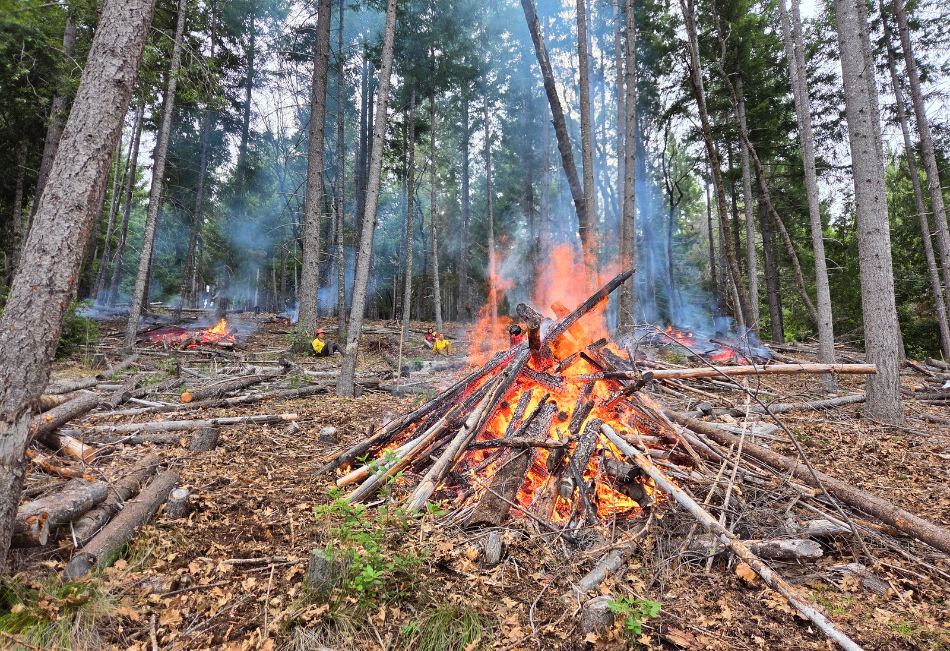
Photo Credit: Ryan Thompson
~~~~~
About the Author:
Samantha Kannry has been monitoring, studying, and swimming with summer-run steelhead in the Eel River and other rivers of Northwestern California for the past thirteen years. She joined NFS as a volunteer in 2015, then became a fish genetics fellow in 2020.
While it has been clear to the native peoples of the region since time immemorial that summer-run steelhead and the congeneric spring Chinook are separate populations, not everyone else sees it so clearly. Her research has focused on using conservation genetic tools to elucidate the distinction between summer and winter-run steelhead.
When not minking (a combination of hiking, swimming, snorkeling, sliding, shimmying, and boulder jumping) down rivers, she is usually growing and eating fruit, moving manure at Caudal Fin Farm, or bike touring distances large and small. All working towards re-establishing the inherent continuity between rivers, land, and people.
Read StEELhead Discoveries Part 1 - 22 HERE.