Protecting Wild Salmon in the Willamette: Your Guide to the Draft SEIS
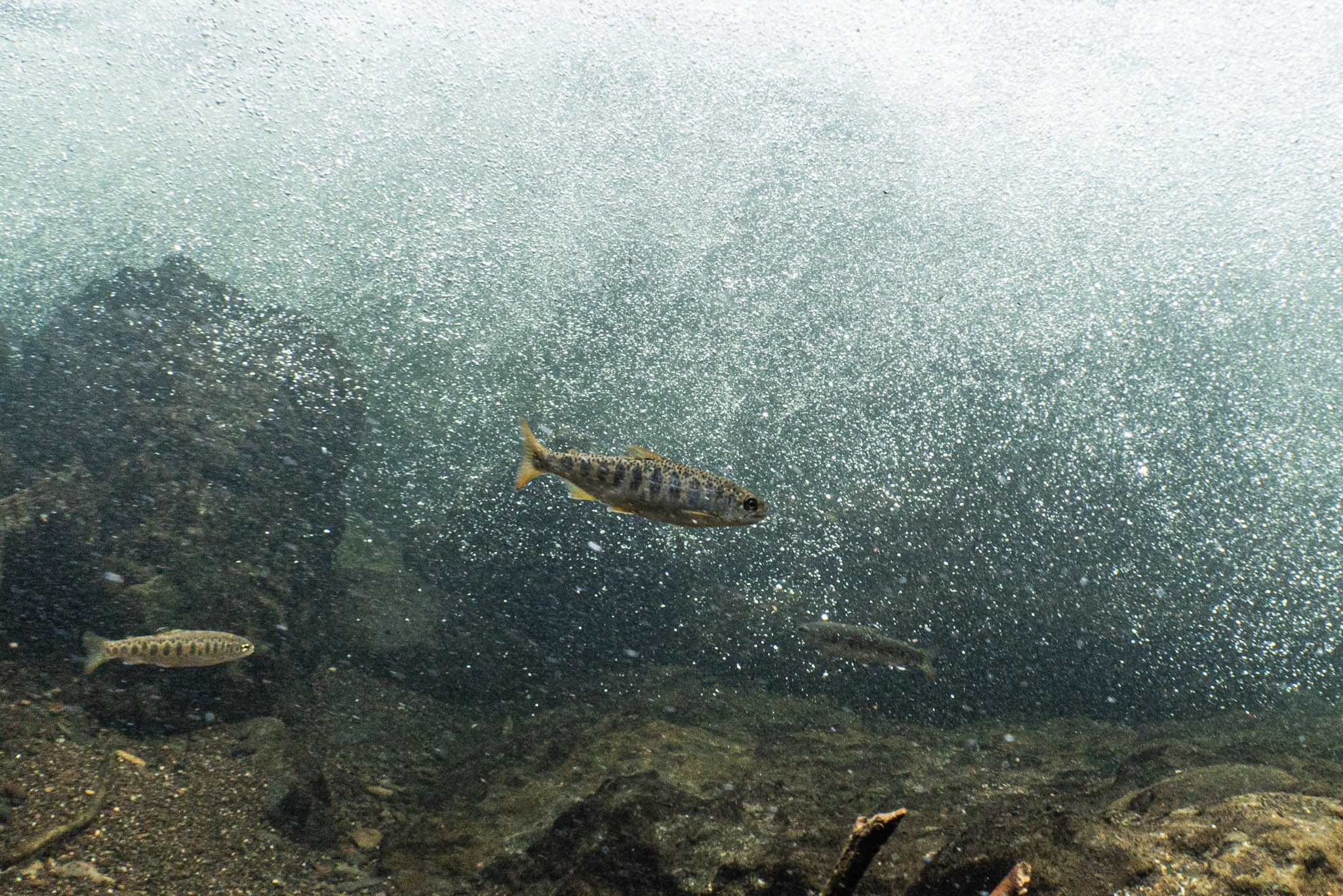 Juvenile Chinook salmon | Photo: Freshwater Illustrated / Dave Herasimtschuk

The Army Corps of Engineers, Portland District, has released a Draft Supplemental Environmental Impact Statement (Draft SEIS) on their analysis of two options in the Willamette River Valley System:
Removing hydropower infrastructure at all Corps dams
Conducting a deeper drawdown at Detroit Dam and Reservoir
The public comment period is now open now through December 29th, 2025, and we are urging supporters of wild fish and free-flowing rivers to submit comments to the Corps. Please see the top findings, background, and guidance on how to respond below.
This is an opportunity to raise our voices to protect native salmon and the ecological balance of our region, while advocating an end to a costly hydropower operation that produces a fraction of power for the region.
Below is an overview of key findings, background, and how you can take action!
Key Findings from the Corps’ Statement:
A deep drawdown of Detroit Reservoir will enable more effective fish passage
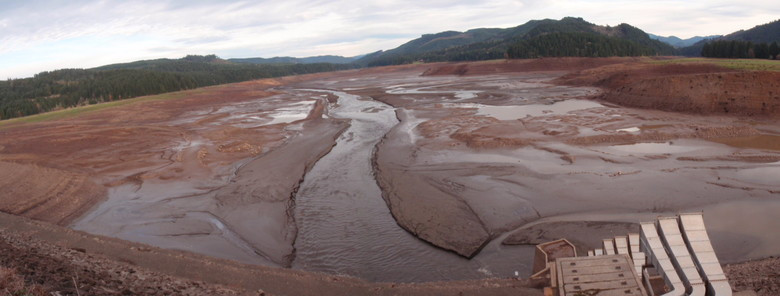
The Corps proposes to conduct an annual deep drawdown in the late fall so that juvenile fish can migrate effectively through the dam and downstream. In order to reduce the impact on downstream water quality, the Corps will be phasing the drawdown over three years. This stepwise approach, combined with the relatively small area of reservoir floor that will be exposed, will minimize the impacts of sedimentation downstream while giving outmigrating fish a chance to head towards the ocean.
The SEIS fails to consider what is possible to help fish if commercial hydropower is eliminated
The scope of what was analyzed by the Corps was too narrow. The agency failed to consider the full range of reasonable possibilities for operating the dams to recover fish and reduce the likelihood of needing to build expensive and ineffective fish collection facilities. This includes a lack of analysis of changes to deep drawdown timing and the removal of reregulation dams (these are facilities solely used in the production of hydropower).
The Corps' Alternative 6 fails to pass the sniff test
In selecting a single, one-size-fits all plan as the only alternative analyzed, the Corps is failing to provide the full suite of options of what is possible to help fish, improve ecosystem function, and maintain the core purpose of the dams--flood control. The only alternative analyzed includes complete removal of hydropower infrastructure while maintaining all the other actions from the Corps' preferred alternative (including the installation of costly and likely ineffective fish collection facilities). This utterly fails to meet the intent of Congress when it directed the corps to study ending hydropower in the Willamette Valley System. We need a dam-by-dam analysis that includes options such as leaving hydropower infrastructure in place without generating commercial hydropower. Without this analysis, stakeholders and decision-makers lack the information they need to ensure that we are taking the necessary steps to actual succeed as recovering our fish.
Background on the Supplemental EIS
This additional analysis comes after the Corps completed a new operations and maintenance plan for the Willamette Valley dams earlier this year. Shortly before finalizing the EIS, released in April 2025, new developments prompted a supplemental study. Here’s a breakdown of the two new requirements and the reason for each:
Studying a permanent end to commercial hydropower production at the Willamette Valley dams: In December 2024, Congress passed the Water Resources Development Act (WRDA) of 2024, which directed USACE to look at a new option, or “alternative,” that would remove hydropower at Willamette Valley dams. Along with our partners, we had advocated for this directive after the Corps had failed to consider options in their original analysis that weren't constrained by the false belief that commercial hydropower generation must continue on the system.
Implementing a deeper drawdown at Detroit Reservoir in 2026: The National Marine Fisheries Service (NMFS) published a Biological Opinion in December 2024. That opinion found that the Corps' proposed plan for the North Santiam was insufficient. As a result, the biological opinion required the Corps to implement a deeper fall drawdown at Detroit Reservoir to support fish passage.
The Threat of Hydropower:
Plans to retain commercial hydropower at the Willamette River Basin dams is killing salmon and losing money—to the tune of nearly a billion dollars by the Corps’ own analysis. These dams generate less than 2% of the power in the Federal Columbia River Power system, and they are responsible for blocking 75% of access to habitat necessary for salmon and steelhead in the Willamette basin.
The extreme cost for minimal power production is not worth pushing native salmon to the brink of extinction. (Federal fisheries managers predict that some Willamette salmon runs could go extinct by 2040 if we don’t take action.)
Because of the threat to salmon, and the wasteful spending, Congress included a directive in WRDA 2024 to require the Corps to evaluate alternative operations.
The Need for Deep Drawdowns:
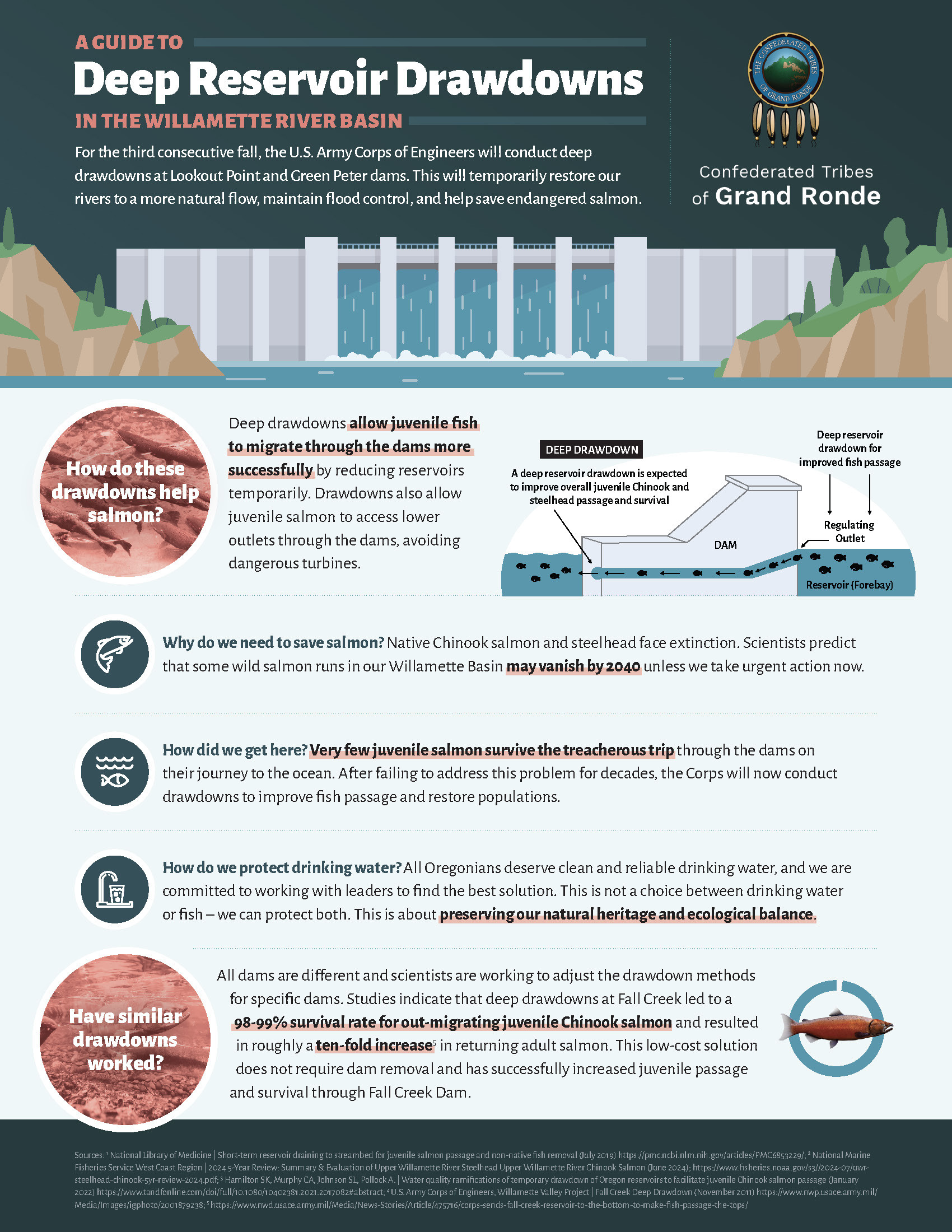
Deep drawdowns are a low-cost, effective solution to save salmon, maintain flood control, and return our rivers to a more natural flow.
For salmon, drawdowns allow juvenile fish to migrate successfully through the dams by temporarily lowering the water level closer to passage routes far down on the dams. Without drawdowns, very few juvenile salmon make it to the dams or survive the treacherous trip through the power turbines on their journey to the ocean. And after failing to address the problem for decades, the Corps was forced to conduct drawdowns at more dams to improve fish passage. The results have been promising.
While all dams are different and scientists are working to adjust the drawdown methods for specific dams, studies indicate that deep drawdowns at Fall Creek, where drawdowns have been happening for over a decade, led to a 98-99% survival rate for out-migrating juvenile Chinook salmon and resulted in roughly a ten-fold increase in returning adult salmon. This low-cost solution does not require dam removal and has successfully increased juvenile passage and survival through Fall Creek Dam.
Drawdowns are also critical for maintaining flood control, the original purpose of the dams, while restoring our rivers to a more natural flow and preserving Oregon’s ecological balance.
Our Goal:
Native Fish Society’s goal, in partnership with Tribal Nations like Grand Ronde and other conservation organizations, is to help our native salmon and steelhead recover and to restore more natural function to our rivers in the Willamette Valley. Through changing how the dams are operated, we can save native fish and hundreds of millions of dollars in taxpayer money.
How is NFS working to achieve our goal?
Native Fish Society is fighting to recover Oregon's most imperiled wild fish by building a groundswell of public support to advocate for effective fish passage at the 13 federally owned and operated dams in the basin.
How You Can Stay Involved:
Start by submitting a comment during this critical period! Your voice can help protect wild fish and ensure the Corps considers real, science-based solutions.
If you’re looking to get even more involved, please send us a message. We’ll let you know about any volunteer opportunities and/or future “Action Alerts” to take action.
Let’s protect the health of our waterways by restoring native salmon, while saving money and a key part of our culture.
For more background information, view our FAQs on Willamette River Basin reservoir drawdowns originally published in fall 2024.